Elevate Your Steak Game: Why Sous Vide Steaks Reign Supreme Over Steakhouses & Slash Kitchen Waste
The quest for the perfect steak is a culinary journey many embark upon, often ending in frustration with uneven cooking, dry edges, or tough texture. What if there was a method that not only eliminated these common pitfalls but consistently delivered results superior to even the most renowned steakhouses? Enter
sous vide steak. This revolutionary cooking technique, once the secret of high-end restaurants, is now accessible to home cooks and professional chefs alike, promising unparalleled flavor, tenderness, and precision. Beyond just taste, sous vide also offers significant advantages in kitchen efficiency and waste reduction, making it a game-changer for modern gastronomy.
What Exactly is Sous Vide Cooking? The Foundation of Perfection
At its core, sous vide (pronounced "soo-veed"), a French term meaning "under vacuum," is a method of precision cooking that involves sealing food in an airtight plastic pouch and then cooking it in a temperature-controlled water bath. Unlike traditional methods that rely on high, often fluctuating, heat, sous vide maintains a precise, consistent temperature throughout the cooking process. This gentle, slow cooking allows food, especially
sous vide steak, to reach its target doneness without ever exceeding it.
The magic of sous vide lies in its meticulous control. By holding the food at the desired final internal temperature, it cooks evenly from edge to edge, preventing the dreaded "gray band" that often appears in skillet-cooked or grilled steaks. This technique ensures that every fiber of the meat is cooked to perfection, retaining its natural juices and maximizing flavor absorption. It's a method that takes the guesswork out of cooking and puts scientific precision in its place, guaranteeing consistent, restaurant-quality results every time.
Why Sous Vide Steaks Outshine Traditional Methods
When it comes to achieving an exceptional steak, sous vide offers a suite of benefits that traditional cooking methods simply cannot match. It’s not just about cooking; it’s about transforming the entire steak experience.
- Unmatched Consistency and Precision: One of the most significant advantages of sous vide is its ability to deliver the exact doneness you desire, every single time. Whether you prefer a rare, medium-rare, or well-done steak, setting the water bath to the precise temperature ensures that every piece of meat, regardless of thickness, cooks perfectly to your specification. This eliminates the uncertainty of oven timings or grill flare-ups, allowing both professional chefs and home cooks to confidently serve a steak cooked to perfection.
- Supreme Tenderness and Moisture Retention: Traditional high-heat cooking often forces muscle fibers to contract, squeezing out valuable moisture and leading to tougher, drier results. The gentle, low-temperature environment of sous vide prevents this. The steak cooks slowly in its own juices, resulting in an incredibly tender texture and significantly higher moisture retention. Every bite is succulent, juicy, and melts in your mouth.
- Explosive Flavor Infusion: Because the steak is sealed in a vacuum bag during cooking, all of its natural flavors and any added seasonings (herbs, garlic, spices) are locked in. The cooking process allows these flavors to deeply penetrate the meat, resulting in a profoundly flavorful steak that tastes far richer than one cooked using conventional methods. The sealed environment acts like a flavor incubator, enhancing the inherent taste of the beef.
- Edge-to-Edge Perfection: This is where sous vide steak truly differentiates itself. Unlike a pan-seared or grilled steak, which typically has a gradient of doneness from a well-done exterior to a rarer center, sous vide delivers a uniform doneness from one edge to the other. There's no overcooked ring, just consistent, beautiful color throughout. This level of evenness is difficult, if not impossible, to achieve with traditional techniques, solidifying sous vide's claim to superiority.
Of course, the sous vide process isn't complete without a crucial final step: the sear. After achieving perfect internal doneness, a quick, high-heat sear in a cast iron skillet or on a grill creates that irresistible crispy crust and develops rich, complex flavors through the Maillard reaction. This combination of precision cooking and intense searing is what allows
sous vide steaks to not only rival but often surpass the quality of what you'd find in even the most acclaimed steakhouses. For a deeper dive into the manifold advantages, explore
Unlock Perfect Flavor: The Top Benefits of Sous Vide Steak.
Beyond Beef: A World of Sous Vide Steak Options
While beef steak is undeniably the star of sous vide cooking, the versatility of this method extends far beyond. The principles of precision temperature control and gentle cooking can be applied to a wide array of proteins, opening up a world of culinary possibilities.
When it comes to beef, various cuts benefit uniquely from sous vide. Premium cuts like
ribeye and
sirloin are elevated, retaining their marbling and natural tenderness with incredible precision. Tougher cuts such as
chuck steak or
flank steak can be transformed into incredibly tender and juicy meals through longer cooking times, breaking down connective tissues without drying out the meat. This means you can achieve gourmet results with more economical cuts, maximizing flavor and minimizing cost.
But the culinary journey doesn't stop there.
Fish steaks, notoriously delicate and prone to overcooking, become sublime with sous vide. Salmon, tuna, and swordfish emerge perfectly flaky and moist, with their natural flavors preserved. The gentle heat prevents the protein from seizing up, ensuring a velvety texture that’s impossible to achieve through pan-frying or baking without careful attention. Beyond fish, other meats like succulent
pork chops, tender
lamb loin, and perfectly cooked
chicken breasts also thrive under the sous vide method, ensuring they are never dry or tough. This broad applicability makes sous vide an invaluable tool for any kitchen looking to consistently produce high-quality protein dishes for all dietary preferences.
The Efficiency Advantage: Reducing Time & Food Waste with Sous Vide
In today's fast-paced culinary world, efficiency and sustainability are paramount.
Sous vide steak cooking addresses both these concerns head-on, offering significant operational benefits that streamline kitchen processes and reduce costly waste.
From a time-saving perspective, sous vide dramatically cuts down on active cooking time. Chefs no longer need to babysit pans or constantly monitor grill temperatures. Once the steak is in the water bath, it cooks autonomously, freeing up valuable time for other prep tasks, crafting side dishes, or managing multiple orders. This "set it and forget it" approach is particularly beneficial in busy commercial kitchens facing increased demand and potential staff shortages, allowing for greater productivity and reduced stress. For home cooks, it means less time slaving over a hot stove and more time enjoying company. Furthermore, the clean-up is often simpler, with fewer pots and pans to scrub compared to traditional multi-step cooking.
Beyond time, sous vide is an excellent strategy for reducing food waste, a critical concern for sustainability and profitability.
- Minimized Shrinkage: Traditional cooking methods, especially high-heat techniques, can cause substantial moisture loss and protein coagulation, leading to significant shrinkage of the meat. This not only affects portion size but also diminishes the juiciness and flavor. Sous vide's gentle cooking virtually eliminates this shrinkage, meaning more edible product from each cut of meat. You get what you pay for, quite literally.
- Eliminating Overcooking Errors: With traditional methods, an overcooked steak is a ruined steak – often destined for the bin. Sous vide's precise temperature control makes overcooking nearly impossible. Once the internal temperature reaches the desired doneness, it stays there. This drastically reduces the likelihood of human error leading to discarded food, ensuring that every steak prepared is a usable, delicious product.
- Extended Shelf Life and Batch Preparation: Properly vacuum-sealed sous vide steaks can be cooked in advance, rapidly chilled, and then stored in the refrigerator for several days, or even frozen, without compromising quality. This allows for efficient batch cooking and "cook-chill-serve" operations, which not only saves time during peak service but also helps manage inventory and prevent spoilage of raw ingredients.
By embracing sous vide, kitchens can operate more smoothly, minimize losses from shrinkage and spoilage, and contribute to a more sustainable food system.
Mastering Your Home Sous Vide Steak: Tips for Perfection
Ready to bring the steakhouse experience into your own kitchen? Cooking a
sous vide steak at home is surprisingly straightforward, but a few key tips can elevate your results from great to truly extraordinary.
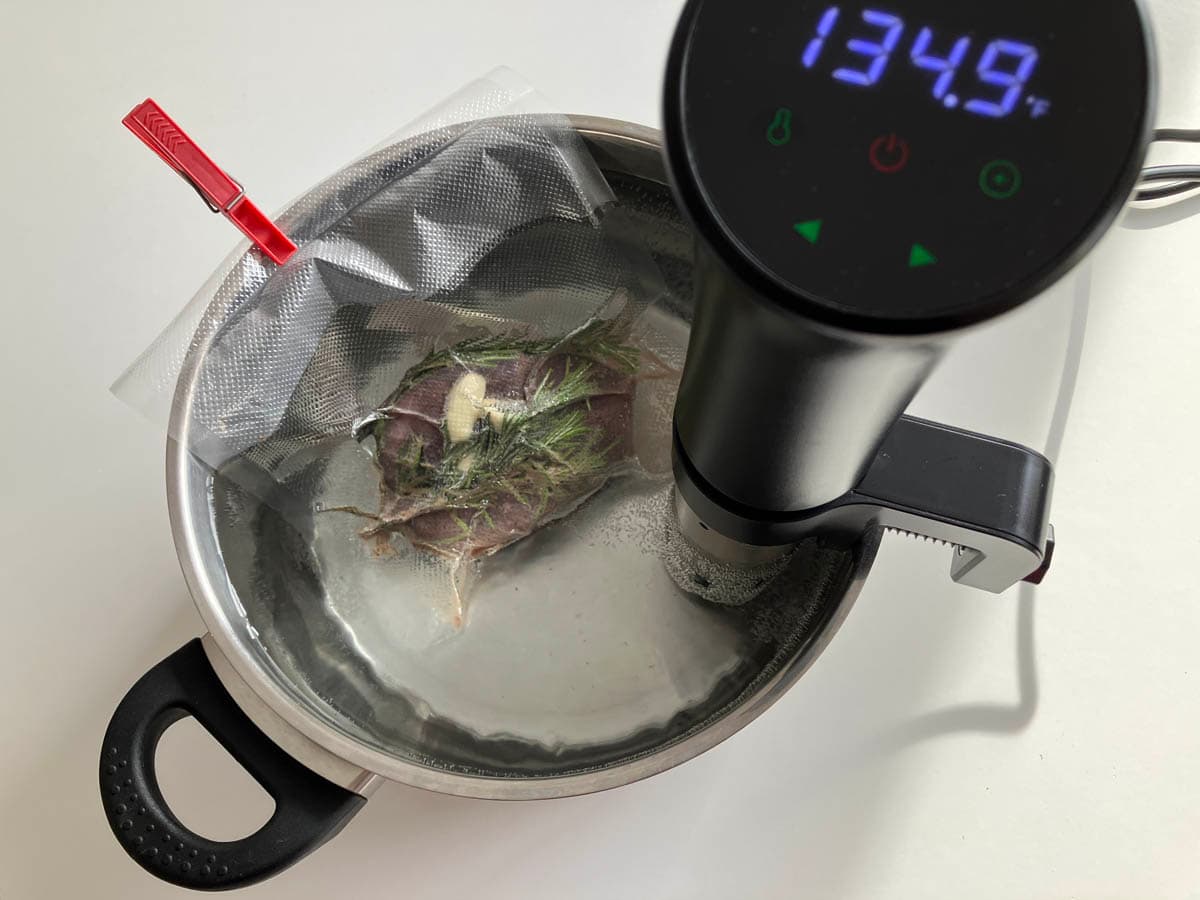
- Invest in the Right Equipment: At a minimum, you’ll need an immersion circulator (the device that heats and circulates the water) and a large pot or dedicated sous vide container. While a vacuum sealer is ideal for airtight bags, you can also use the "water displacement method" with Ziploc-style freezer bags to remove air.
- Season Generously: Don't be shy with your seasoning. Salt and pepper are foundational, but consider adding aromatics like garlic cloves, fresh rosemary, or thyme directly into the bag with your steak. Seasoning before vacuum-sealing allows the flavors to meld beautifully during the cook.
- Choose Your Temperature Wisely: The temperature of your water bath dictates the final doneness of your steak. For a perfect medium-rare, aim for 129-132°F (54-55.5°C). For medium, 135-139°F (57-59.5°C) is ideal. The cooking time will depend on the thickness of your steak – typically 1-3 hours for a 1-2 inch thick steak, but the beauty is that it won't overcook if left for an extra hour or two.
- The Sear is Non-Negotiable: This is arguably the most critical step after the sous vide bath. A rapid, high-heat sear in a cast iron skillet (with a high smoke point oil like avocado or grapeseed) or on a scorching grill for 60-90 seconds per side is essential for developing that crusty, flavorful exterior known as the Maillard reaction. Pat your steak very dry with paper towels before searing to achieve the best crust.
- Consider a Quick Chill (Optional): For an even better sear, especially if you plan to sear right away, consider chilling your steak for 10-15 minutes in an ice bath after the sous vide bath. This cools the exterior without affecting the internal doneness, allowing you to sear longer and achieve a thicker crust without overcooking the inside.
- Resting is Less Critical, But Still Good: Unlike traditional cooking, where resting is crucial for juices to redistribute, sous vide steaks don't lose much juice to begin with. However, a brief rest (5-10 minutes) after searing can still help the internal temperature stabilize and ensure maximum tenderness.
For a complete walkthrough on specific temperatures, times, and detailed searing techniques, check out
The Ultimate Sous Vide Steak Guide: Cook Perfect Steak Every Time.
In conclusion,
sous vide steak is more than just a culinary trend; it's a superior cooking method that fundamentally redefines what a perfect steak can be. Its ability to deliver unparalleled consistency, tenderness, and flavor, coupled with significant advantages in kitchen efficiency and waste reduction, positions it as a leading technique for both professional kitchens and home gourmands. By embracing sous vide, you're not just cooking a steak; you're crafting a culinary masterpiece that consistently rivals, and often surpasses, the offerings of the finest steakhouses, all while streamlining your cooking process and contributing to a more sustainable kitchen.